Technology
This section summarizes FSR Chapters 5–9 (engineering & grid). Figures follow FSR V0.1.
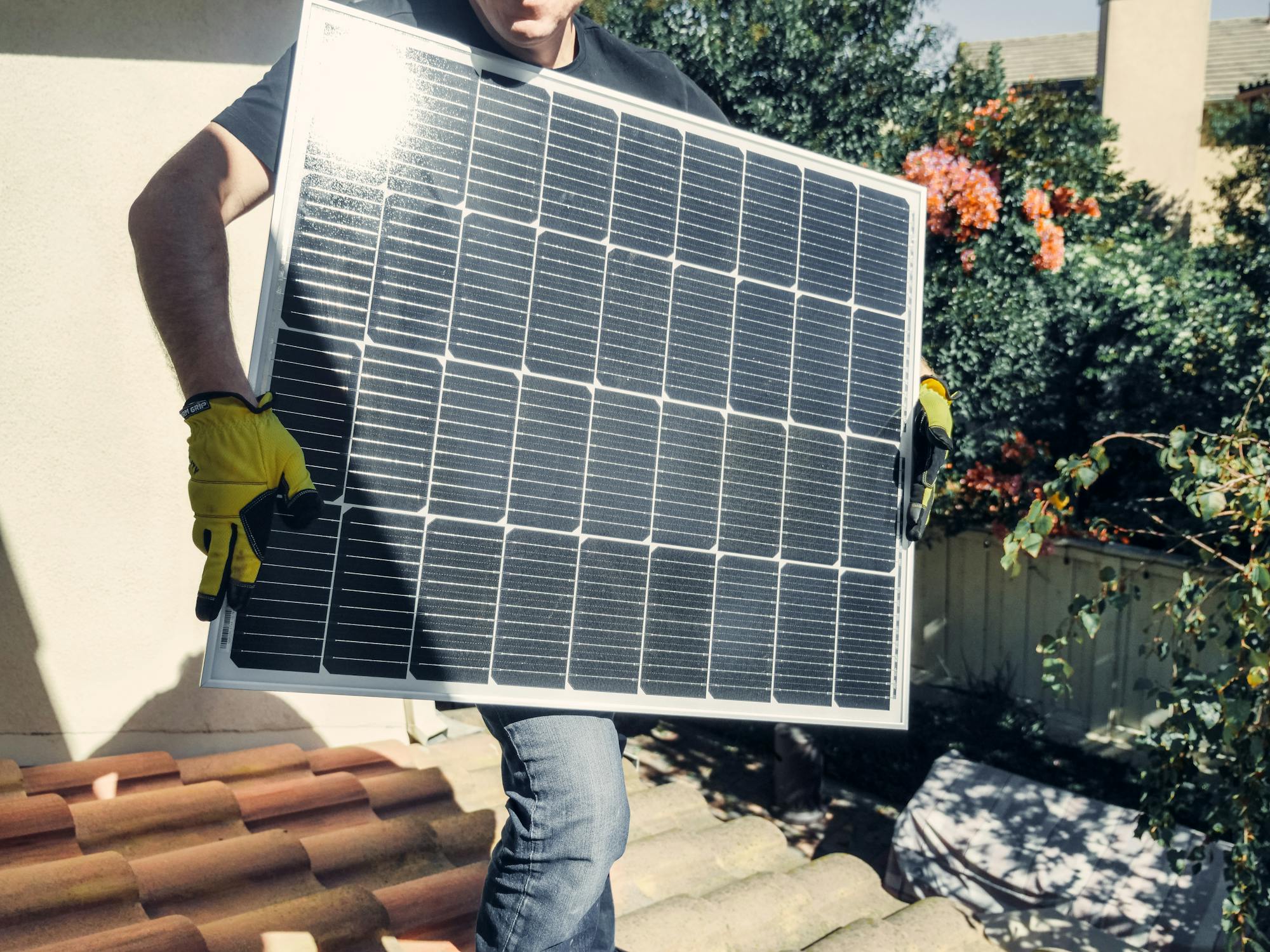
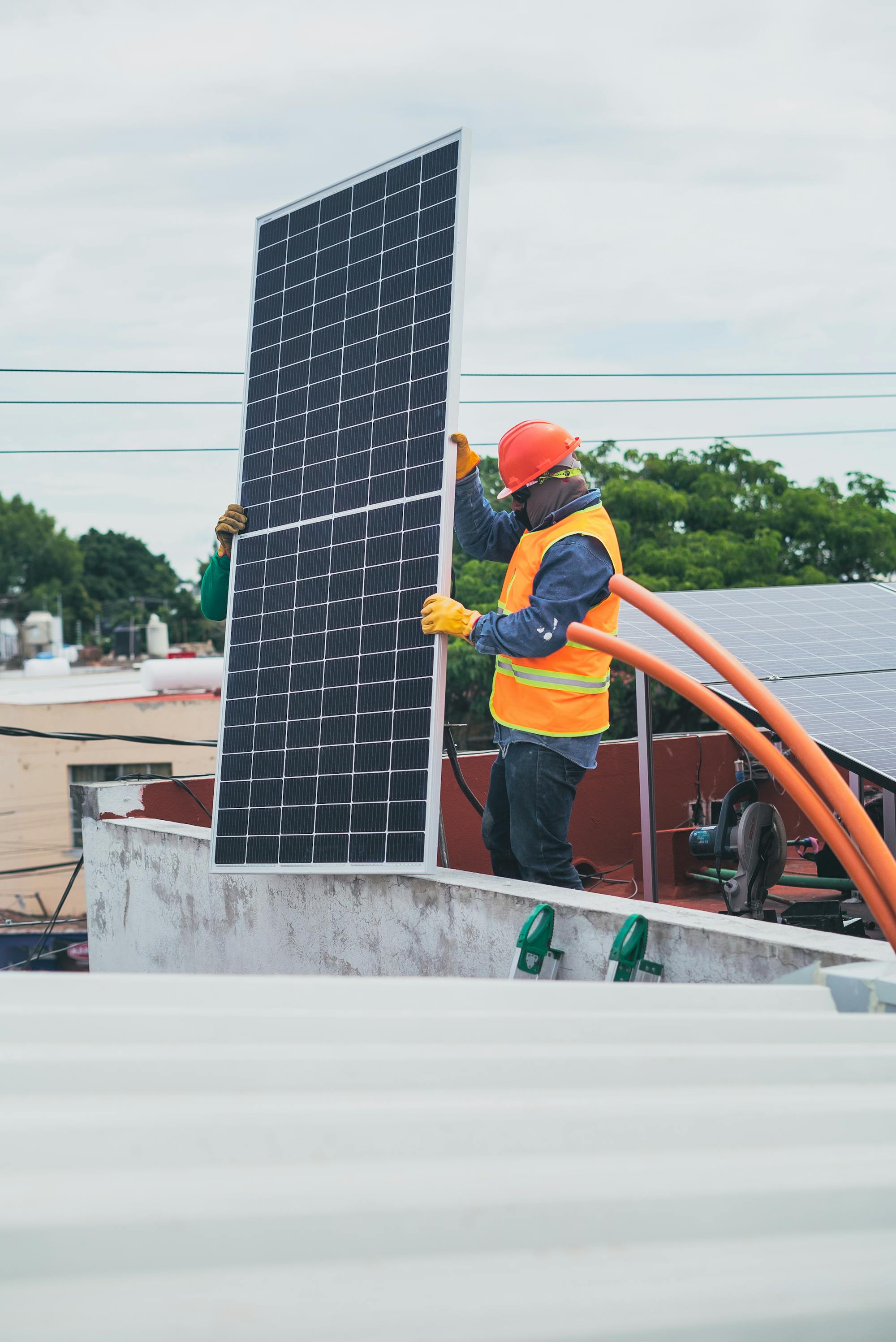
N-type TOPCon bifacial modules; ~82% system efficiency; ~1,480 h equivalent utilization (base case in FSR).
- Global horizontal irradiation ~1,480–1,550 kWh/m²·a; tilted ~1,720–1,800 at 35° (cross-check in Appendix C).
- Fixed arrays on reclaimed land + BIPV on sheds + rooftop distributed PV.

Composite-axis micro-wind as primary + geared semi-direct-drive auxiliary; ~5.5–6.5 m/s at 70 m; ~1,850 h equivalent.
- Differentiated siting for highland vs. distributed micro-wind resource pockets.

LFP + liquid cooling; Phase I uses truck-battery second-life; 100 MW/200 MWh (Phase III) for peak shaving & regulation.
- Fire safety: three-tier thermal runaway mitigation + UL 9540A pathway + FK-5-1-12, etc. (Ch.11).

Phase II: 3,000 m² shed roof replaced by modules; ~850 RMB/m² incremental benefit over 25 years per FSR.
- Standardized family library integrating waterproofing, structural capacity, and O&M access.